815-727-0100


Issues With Testing in DUI Cases
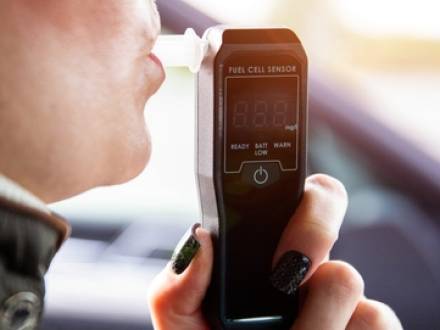 During a DUI traffic stop or after an arrest, police may use several tests to gauge a driver’s level of impairment. Naturally, many people worry that performing badly on one of these tests means a conviction is certain. However, this is not always the case. A skilled Will County, IL DUI defense lawyer can review police procedures and potentially highlight issues in the testing methods.
As a mid-size law firm with over 150 years of combined experience, our attorneys are ready to provide you with aggressive representation in a DUI case. At McNamara Phelan McSteen, LLC, we can go over the details in your case to see if evidence can be challenged, questioned, or excluded altogether.
Are Field Sobriety Tests Really Objective?
When an Illinois police officer pulls someone over on suspicion of drunk driving, field sobriety tests are often one of the first tools they use. These tests are designed to measure balance, coordination, and the ability to follow directions. The three most common are the walk-and-turn, the one-leg stand, and the horizontal gaze nystagmus test. Law enforcement presents these tests as reliable indicators of impairment, but that framing deserves a closer look.
Field sobriety tests are not purely objective. They depend heavily on the officer's own observations and judgment. Two officers watching the same person perform the same test might reach different conclusions.
Uneven pavement, poor lighting, and cold temperatures can all affect how someone performs. Nerves, medical conditions, inner ear problems, certain medications, and even the type of footwear a person is wearing at the time can also lead to false positives. A person can fail a field sobriety test without having had a single drink.
What Kinds of Issues Can Affect BAC Testing Equipment During a DUI Stop?
Breathalyzer devices are central to many DUI cases in Illinois, but they are machines, and machines can malfunction. Breath tests used in DUI cases must meet specific requirements to be admissible in court (625 ILCS 5/11-501.2). Several issues can compromise the accuracy of a breath testing device, including:
-
Improper calibration: Breathalyzers must be calibrated regularly. A device that has not been calibrated on schedule may produce readings that are higher or lower than the person's actual BAC.
-
Lack of maintenance records: If the agency operating the device cannot produce documentation showing routine maintenance, the reliability of the machine becomes questionable.
-
Operator error: The officer administering the test must be trained and certified. Errors in how the test is given can skew the result.
-
Radio frequency interference: Certain electronic devices and equipment near a breathalyzer can interfere with how it functions.
-
Residual mouth alcohol: If a person burps, vomits, or has dental work that traps alcohol, the device may pick up mouth alcohol rather than deep lung air, leading to an inflated reading.
These are not minor technicalities. A breathalyzer result that appears to show legal impairment may be the product of equipment failure rather than actual intoxication. An attorney who understands how these devices work can examine the maintenance logs, calibration records, and testing procedures to identify problems with the evidence.
What Is the Rising BAC Defense?
Alcohol does not absorb into the bloodstream instantly. After a person has a drink, his or her BAC continues to rise for a period of time, sometimes between 30 minutes and two hours. Body weight, food consumption, and other factors can speed up or slow down the absorption.
A person might have been below the legal limit while driving, only for his or her BAC to continue to climb after the vehicle was stopped. By the time the breath or blood test was administered, the reading may have crossed over the legal limit. This is what the rising BAC defense addresses. The gap between when someone stops driving and when he or she is tested can be significant enough to make a real difference in a case.
Can Improper Storage of Blood Samples Affect a DUI Case in 2026?
Blood tests are often considered more accurate than breath tests, but the results can still be challenged. One area that does not always receive enough attention is how the blood sample was stored after it was collected. Blood samples are biological material, and they degrade if they are not handled correctly.
If a sample is not kept at the right temperature, or if too much time passes between collection and testing, fermentation can occur inside the sample vial. This process can actually produce alcohol, raising the measured BAC above what it was at the time of collection. Improper anticoagulant-to-preservative ratios in the vial can contribute to this as well. A contaminated or degraded sample should not be the foundation of a criminal conviction, but it often takes a skilled defense attorney to identify and challenge these issues before trial.
How Can Chain of Custody Issues Affect a DUI Case?
Chain of custody refers to the documented record of who handled a piece of evidence, when, and how. In a DUI case involving a blood sample, that record needs to account for every step from the moment the blood was drawn to the moment it was tested in a lab. If that chain is broken or poorly documented, the integrity of the sample comes into question.
A gap in the chain of custody can mean the sample was left unattended, switched, mislabeled, or otherwise compromised. Defense attorneys can request the full chain of custody documentation and look for irregularities. If the prosecution cannot show that the sample was properly handled at every stage, the court may have reason to question whether the test result is trustworthy.
Contact a Will County, IL DUI Defense Attorney
Any evidence in a DUI case should be reviewed carefully. Seemingly small issues can sometimes lead to bigger questions about the prosecution’s case. At McNamara Phelan McSteen, LLC, we can work with you early in the legal proceedings to stand up for your rights. Contact our Joliet, IL criminal defense lawyers or call 815-727-0100 today to schedule a free consultation.





|815-727-0100


Results listed are not a guarantee or indication of future case results.


Contact Our Firm
 The use of the Internet or this form for communication with the firm or any individual member of the firm does not establish an attorney-client relationship. Confidential or time-sensitive information should not be sent through this form.
I have read and understand the Disclaimer and Privacy Policy.