815-727-0100


Recent Blog Posts
What Are the Main Causes of a Snowmobile Accident Injury in Illinois?
 Winter is a time for snow sports, including skiing, sledding, ice skating, and snowmobiling. The snowmobile was originally manufactured as a means of transportation for people and supplies in regions where heavy and deep snow prevented conventional vehicle use. Today, snowmobiling has become a popular winter sport enjoyed by more than 2 million people of all ages. Snowmobiling allows cold-weather fans to get outside and enjoy the winter landscape. However, the modern snowmobile can weigh more than 600 pounds and travel at speeds of 90 miles per hour or greater. Snowmobile accidents cause approximately 200 deaths and 14,000 injuries every year. There are several factors that can increase the likelihood of a crash, and in some cases, it may be caused by negligent parties. Through education and legislation, injury and death rates can be significantly reduced.
Are There More DUI Arrests in Illinois Over Thanksgiving Weekend?
 Although this Thanksgiving may look a bit different as a result of the restrictions put in place to fight COVID-19, many people will still be celebrating the holiday. Small gatherings may still include alcoholic beverages, which can unfortunately lead to intoxicated driving. That is why local law enforcement agencies step up their patrols in anticipation of partygoers possibly getting behind the wheel after a few too many. Traffic-related fatalities usually increase during the long holiday weekends. The National Safety Council (NSC) has estimated that approximately 500 people will lose their lives between Wednesday and Sunday of Thanksgiving weekend. Police will be on the lookout for impaired drivers, and they can arrest those who are suspected of driving under the influence (DUI) of drugs or alcohol.
How Do Pharmaceutical Errors Occur in Illinois?
 You may not think they happen very often, but medication errors are more common than you might want to believe. In some cases, a patient may not even realize one has taken place if he or she does not have any adverse side effects. However, some medical mistakes can have devastating consequences. A 2016 Johns Hopkins study estimated that approximately 250,000 people die annually due to medical errors. These prescription drug errors can occur for various reasons. In certain situations, a physician, hospital, or pharmacy may be held liable for any injuries suffered as a result of this form of medical negligence.
Common Types of Medication Mistakes
Everyone makes mistakes, but sometimes the results can cause debilitating injuries or even fatalities. The most common types of pharmaceutical errors made by a physician or a pharmacist include:
What Are the Conditions of Posting Bail in Illinois?
 One bad mistake can lead to a heap of trouble, including criminal charges if an illegal act was committed. If you have been arrested for a crime in Illinois, you may be wondering what to expect if you have not had any previous experience with the criminal justice system. Under Illinois law, an accused individual can be kept in custody, released on his or her own recognizance, or released on bail. If released on bail, a bond must be paid, which ensures the defendant’s appearance for future court dates and compliance with any other conditions of release. Typically, once a criminal case is over, 10 percent of the money posted is awarded to the clerk for the costs of posting bond. When someone posts bail, he or she must comply with certain restrictions or conditions of the bail bond. A violation of these rules can lead to further criminal charges.
What Are the Penalties for Drug Possession With Intent to Sell?
 Criminal charges can take many forms based on the severity of the offense. Recent legislation made recreational marijuana use legal for those over the age of 21 in Illinois. However, most other controlled substances are illegal, and they can carry stiff punishments for those who commit a drug crime. Although the United States has been fighting the war on drugs for a long time, these types of offenses continue across the country. According to crime statistics from the Federal Bureau of Investigation (FBI), there were 1.6 million arrests made for drug crimes in 2018, a number that has increased every year since 2015, after declining in the prior decade. If you or someone you know is facing any type of drug charges, it can ruin your personal and professional life. Therefore, it is imperative that you hire a criminal defense attorney who is well-versed in Illinois drug laws to help you obtain a positive outcome.
Is Alternative Sentencing Available in an Illinois DUI Case?
 Driving under the influence (DUI) of drugs or alcohol can result in a multitude of consequences, including an accident with serious injuries, vehicle damage, driver’s license suspension, not to mention criminal charges in most cases. Illinois penalties for a DUI conviction are stiff and a misdemeanor crime can remain on your permanent driving record. The punishments are enhanced if you are under 21 or have a child passenger in the car at the time of the traffic stop. However, depending on the circumstances of your case, you may qualify for alternative sentencing, which is typically not as harsh. A skilled criminal defense attorney can explain your legal options and the best course of action to take following a DUI arrest.
Illinois Deferred Prosecution Programs
What Are the Typical Causes of a Truck Rollover Accident?
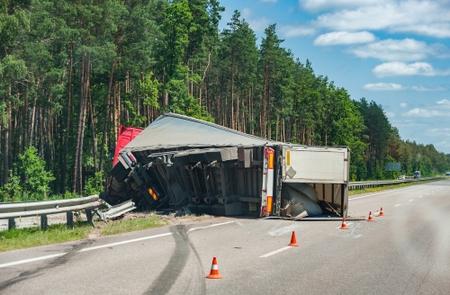 Trucks are commonplace on our nation’s highways, and they are essential in transporting goods across the country. Every motorist who operates a vehicle has a responsibility to drive safely and defensively in an effort to avoid causing or being involved in an accident. Trucks can vary in size, from pickup trucks to box trucks to 18-wheelers. Semi-trucks can be prone to a particular type of accident depending on the driver, weather conditions, and other drivers around them. A rollover accident occurs when a truck flips over on the side of the road. This type of accident can be especially dangerous because the commercial truck can hit numerous other vehicles in the process, causing serious to life-threatening injuries. Depending on the circumstances, a victim can file a personal injury claim against one or more negligent parties for their damages.
How Are Crimes Against Children Charged in Illinois?
 Most criminal acts have significant legal consequences in an effort to prevent them from occurring in the first place. Although any crime is serious, those against children are punished severely throughout the United States, including Illinois. There are many different offenses that constitute a crime against a child, and it is important to understand what they are. Otherwise, you could be facing steep fines and a lengthy prison term. In some cases, you may unintentionally commit a criminal act without realizing it was illegal. In other scenarios, you could be wrongfully accused of a crime by your ex-spouse who is seeking revenge after your divorce. A skilled criminal defense attorney can help determine the best course of action for your situation based on the details of your charges.
Illinois Laws to Protect Minors
Know the Difference Between Petty and Misdemeanor Traffic Violations
 The rules of the road are put in place to keep everyone safe, including car and truck drivers, pedestrians, bicyclists, and motorcyclists. When someone violates a traffic law, he or she may be subject to a traffic ticket. Speeding or failure to stop or yield are examples of common reasons an individual might be issued a traffic ticket by law enforcement in Illinois. Other, more serious traffic violations could result in an arrest and criminal charges, such as driving under the influence (DUI) of drugs or alcohol. A conviction for DUI can result in loss of driving privileges, which can directly affect a person’s way of life. Depending on the circumstances, a driver may have several legal options, such as paying a fine, going to court to fight the ticket, or attending traffic school. If you are facing any charges related to a traffic violation, an experienced attorney can represent your best interests and help you achieve a positive outcome.
What Are the Consequences of Illinois Concealed Carry Violations?
 The Second Amendment to the U.S. Constitution protects citizens’ rights to keep and bear arms. Although gun rights can be quite controversial, many people believe that it is important to defend themselves in the event they are ever attacked. Certain states have their own laws pertaining to concealed or open carry of handguns. Currently, open carry is not legal in the state of Illinois. Concealed carry refers to carrying a firearm or other weapon in public in a concealed or hidden manner.
Illinois gun owners must first obtain a Firearm Owners Identification (FOID) card before they can qualify for a concealed carry license (CCL). Once they have this permit, they must obey a strict set of regulations in order to keep their firearm. Not only can a violation lead to losing their license, but spending on the circumstances, an offender can face criminal charges, with penalties that include jail time and costly fines.






|815-727-0100


Results listed are not a guarantee or indication of future case results.


Contact Our Firm
 The use of the Internet or this form for communication with the firm or any individual member of the firm does not establish an attorney-client relationship. Confidential or time-sensitive information should not be sent through this form.
I have read and understand the Disclaimer and Privacy Policy.