815-727-0100


What Should Underage Drivers Know About the Illinois Zero Tolerance Law?
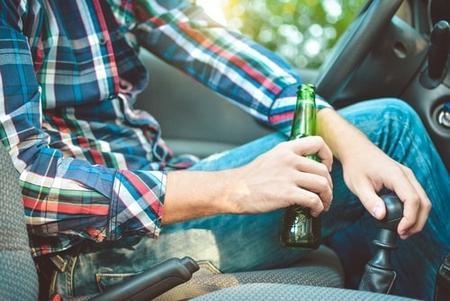
The rules regarding DUIs for underage drivers are especially strict, and it is important to be aware of the possible consequences if an officer has probable cause to suspect you have been drinking. Even if you are below the legal limit for the typical DUI requirements, you may still face severe punishments as an underage driver. At McNamara Phelan McSteen, LLC, our Joliet, IL criminal defense attorneys can help you take on an underage drunk driving charge.
What Is the Illinois Zero Tolerance Law?
Illinois has implemented a Zero Tolerance Law (625 ILCS 5/11-501.8) in an effort to minimize the risk of underage drinking and driving. The Zero Tolerance Law states that a driver under the age of 21 who is caught with any trace of alcohol in their system can have their driver’s license suspended.
If the officer has probable cause to suspect the driver has consumed alcohol, the law requires the underage driver to consent to chemical testing. If the driver is found to have a BAC of more than 0.00 (not the 0.08 BAC limit for off-age DUIs), their license will be suspended for three months for a first offense. If an underage driver refuses to be tested, their driving privileges will be suspended for six months for a first offense.
What Are the Consequences for a First-Time Underage DUI Conviction in Illinois?
In addition to a suspension under the Zero Tolerance Law, underage drivers can also face more severe penalties if they are convicted of DUI. A first-time offender can face a driver’s license revocation for a minimum of two years, which is twice the length of the minimum revocation for a driver who is of legal drinking age. If an underage driver is facing their second DUI conviction, their driving privileges could be revoked for a minimum of five years. Additional punishments for a DUI conviction include possible jail time and heavy fines. If there are any passengers in the vehicle under the age of 16, these penalties will likely increase.
There are several other possible consequences for an underage drunk driving charge, including the required completion of a remedial driving education course, required alcohol evaluation and treatment, and higher car insurance costs. Furthermore, an underage DUI charge could result in long-term effects on your driving record, your ability to find employment, and your ability to secure educational opportunities.
Flaws in BAC Testing Can Impact Underage DUI Cases in IL
A breath or blood test can seem very powerful in an underage DUI case. Still, these tests are not perfect. A machine can give a bad reading if it is not maintained the right way. The officer also has to follow the right steps during testing. If those steps are missed, the result may not be as reliable as it initially looks.
Breath test results can be influenced by factors like residual mouth alcohol, certain medical conditions, and how soon the test is administered. A person may have alcohol in his or her mouth from a recent drink, mouthwash, or vomit. That can make the reading look higher than it should. Blood testing can also be challenged. The sample has to be collected, stored, and handled properly. If there is a mistake in the chain of custody, the defense may question whether the sample was contaminated or mixed up.
These problems matter in zero-tolerance cases because the legal standard is very strict. When the law punishes a driver for having even a small amount of alcohol in his or her system, a tiny testing error can make a major difference. A lawyer may review maintenance records, officer reports, lab procedures, and the timing of the traffic stop. If the evidence is weak, that can help the defense challenge the charge.
Exceptions to Illinois’s Zero Tolerance Law in 2026
Zero-tolerance laws are strict, but they do have limited exceptions. In Illinois, an underage driver may not be in violation just because alcohol entered his or her system in a lawful and limited way. For example, an exception may apply if a minor consumed alcohol as part of a religious service. Another exception may apply if the minor took a prescribed or recommended dose of medicine that contained alcohol.
That does not mean every claim of accidental or innocent alcohol use will succeed. The facts still matter. The court may look closely at what was consumed, how much was consumed, and whether the explanation matches the evidence. Even so, zero-tolerance laws are not meant to ignore common sense. When one of these exceptions applies, it may provide an important defense in an underage DUI case.
How Can Reasonable Suspicion Affect Underage DUI Prosecution in IL?
Reasonable suspicion often plays a major role at the start of an underage DUI case. Before an officer pulls a driver over, the officer usually needs a valid reason for the stop. That could include speeding, weaving, running a stop sign, or another traffic violation. An officer may also point to behavior that suggests possible impairment.
If the stop was not supported by reasonable suspicion, that can weaken the whole case. A defense lawyer may argue that the officer acted on a hunch instead of specific facts. If a judge agrees, important evidence could be limited or thrown out. That may include statements made during the stop, field sobriety test results, or chemical test evidence gathered afterward.
Reasonable suspicion can also shape what happens after the stop begins. The officer may look for red eyes, the smell of alcohol, slurred speech, or open containers in the car. Those details often become part of the prosecution’s case. But they can be challenged. Nervousness, fatigue, or innocent behavior can be misunderstood. In an underage DUI case, those small facts can end up carrying a lot of weight, which is why a careful legal review is so important.
Contact Our Joliet, IL DUI Defense Attorneys Today
If you are facing charges for driving under the influence while underage, our Will County, IL criminal defense lawyers can represent you and help you minimize the penalties you may face. Contact McNamara Phelan McSteen, LLC to schedule your free consultation by calling 815-727-0100. With over 150 years of combined legal experience, our firm knows how prosecutors approach these kinds of cases, and we will plan your defense accordingly.




|815-727-0100


Results listed are not a guarantee or indication of future case results.


Contact Our Firm
 The use of the Internet or this form for communication with the firm or any individual member of the firm does not establish an attorney-client relationship. Confidential or time-sensitive information should not be sent through this form.
I have read and understand the Disclaimer and Privacy Policy.