815-727-0100


Can I Still Drive After a DUI Arrest in Illinois?
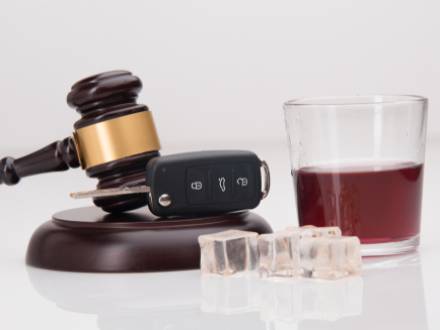 With thousands of annual arrests for driving under the influence in Illinois, drunk driving is harshly enforced and prosecuted. Still, the court system recognizes that even citizens with flawless driving records make mistakes and that stripping an individual of their driver’s license can make life extremely difficult, especially when it affects a person’s ability to get to work every day.
Some DUI offenders are eligible to keep their driving privileges with the installation and use of a breath alcohol ignition interlock device (BAIID) in their vehicle. Around 12,000 Illinoisans currently utilize this system in order to complete necessary daily tasks. At McNamara Phelan McSteen, LLC, our Joliet, IL DUI defense attorneys can help you take steps to protect your driving privileges, drawing on decades of combined experience.
Will Your License Be Suspended After a DUI Arrest in Illinois?
A DUI arrest in Illinois can lead to a license suspension before you ever see a judge. This process is called a statutory summary suspension (625 ILCS 5/11-501.1). It is handled by the Secretary of State, and it runs separately from your criminal case. The suspension usually starts on the 46th day after the officer gives you notice.
The length of the suspension depends on two things. The first is whether you took or refused the chemical test. The second is whether you are a first-time offender. For a first offense, failing a breath or blood test leads to a six-month suspension. Refusing the test leads to a 12-month suspension. If you have a prior DUI within the past five years, the penalties increase. A failed test brings a one-year suspension, and a refusal brings a three-year suspension.
Many drivers are surprised that refusal carries a longer penalty than failing the test. Illinois has an implied consent law. When you drive on Illinois roads, you agree to chemical testing if police suspect DUI. You can still challenge the suspension at a court hearing, but you must file a petition within 90 days of the notice.
What Is a BAIID?
A BAIID only allows a vehicle to start after the driver passes a breathalyzer test. The driver must also pass periodic tests while the vehicle is in use. A camera also captures an image of the driver as they take the breath test. All results are sent to the Illinois Secretary of State’s office, which performs audits of the information and revokes BAIID use if there is evidence of DUI or tampering with the device.
How Do I Get a BAIID in 2026?
First-time DUI offenders aged 18 and over must first apply for a monitoring device driving permit (MDDP) through the Secretary of State’s office. This permit only applies to personal vehicle use, not a commercial motor vehicle. Eligibility is denied for anyone whose DUI resulted in great bodily harm or death or who has a previous reckless homicide conviction.
Anyone convicted of a DUI or multiple DUIs must apply for a restricted driving permit (RDP), show why a hardship exists, provide a professional alcohol/drug evaluation, and if necessary, proof of treatment or remedial education. An applicant must also appear before a hearing for a criminal and driving record review to ensure that he or she is not a threat to public safety.
BAIID costs include an initial installation fee, a monthly rental fee, and monitoring fee. Combined, this can add up to well over $1,400 per year. However, even with the fees, it can be a good and essential deal when compared to completely losing your ability to drive.
Can You Challenge a BAIID Violation?
A BAIID violation can be challenged in Illinois, and many drivers have good reasons to fight one. The device reports failed tests, missed retests, skipped service visits, and signs of tampering. After a reported violation, the Secretary of State may extend your permit time or cancel the permit. You will usually get a notice with a short deadline to respond.
These devices are not perfect. Some foods, mouthwash, energy drinks, and hand sanitizer can cause a false reading. A breath sample taken right after eating can trigger a low-level failure. In most of these cases, a clean retest a few minutes later shows that alcohol was not the cause. The device can also malfunction or lose power, which may look like a missed test.
The camera on the device can help too. If someone else blew into the device, the photo can show who it was. Service records, repair logs, and receipts can also support your side. A clear written response with proof gives you the best chance to keep your permit. Missing the deadline can leave the violation on your record without a fight.
Can I Drive Someone Else’s Vehicle While I Have an MDDP in Illinois?
An MDDP holder in Illinois can only drive a vehicle that has a BAIID installed. This rule applies to cars owned by friends, family members, and anyone else. Borrowing a spouse’s car for a quick errand is not allowed unless that car also has a working device. The device must be installed by an approved vendor and reported to the Secretary of State.
Driving a vehicle without a BAIID while holding an MDDP is a serious offense. It can lead to a felony charge, and the Secretary of State can cancel your permit. You could lose your ability to drive for the rest of the suspension period. The same is true if you ask someone else to blow into the device for you.
There is a limited exception for work. In some cases, a driver can operate an employer-owned vehicle without a BAIID during work hours. The employer must be told about the permit, and the Secretary of State must approve the exception. This exception does not cover personal trips in a work vehicle. It also does not apply to commercial motor vehicles. If you are unsure about a vehicle, check before you drive it.
Contact Our Joliet, IL DUI Defense Attorneys
If you are charged with DUI, McNamara Phelan McSteen, LLC will work to protect your record and preserve your driving privileges whenever possible. If the police violated your rights, we will find out and ask for a case dismissal. Otherwise, you can trust our adept Will County, IL criminal defense lawyers to fight for the best possible outcome. Call us at 815-727-0100 for a free consultation.







|815-727-0100


Results listed are not a guarantee or indication of future case results.


Contact Our Firm
 The use of the Internet or this form for communication with the firm or any individual member of the firm does not establish an attorney-client relationship. Confidential or time-sensitive information should not be sent through this form.
I have read and understand the Disclaimer and Privacy Policy.